
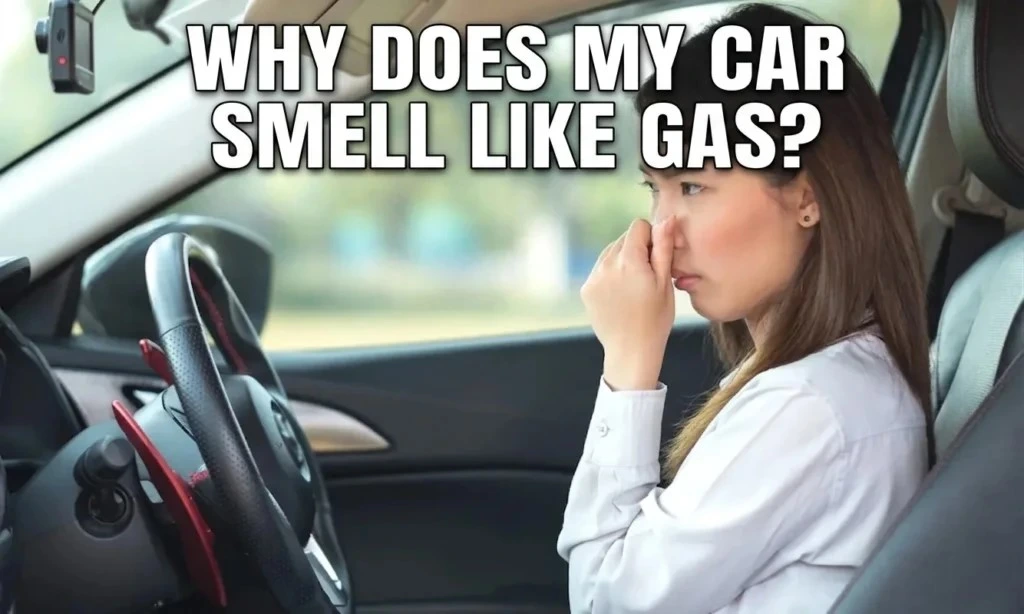
Have you ever stepped into your car and thought, why does my car smell like gas? It’s not just unpleasant—it can also be a warning sign of a serious issue.
A gasoline smell inside or around your vehicle should never be ignored. While some causes are minor, others could pose safety risks. The good news? Most problems are easy to identify and fix if you act early.
Let’s break it down in simple terms.
Why Does My Car Smell Like Gas?
If you’re asking why does my car smell like gas, the most common reasons include:
- Fuel leaks
- Loose gas cap
- Faulty fuel injectors
- Evaporative emission system issues
- Exhaust system leaks
Some are harmless, but others need immediate attention.
Top Reasons Your Car Smells Like Gas
1. Loose or Damaged Gas Cap
This is the most common and easiest fix.
- Allows fuel vapors to escape
- Triggers fuel smell around the car
- May reduce fuel efficiency
👉 Simply tighten or replace the cap.
2. Fuel Leak (Serious Issue ⚠️)
A leaking fuel line or tank can release gasoline odors.
Signs include:
- Strong smell even when parked
- Visible liquid under the car
- Decreasing fuel levels
👉 This requires immediate repair.
3. Faulty Fuel Injectors
Fuel injectors deliver gasoline to the engine.
When they fail:
- Fuel may leak into the engine
- You may smell gas while driving
- Engine performance may drop
4. Evaporative Emission System (EVAP) Problems
The EVAP system controls fuel vapors.
If it fails:
- Vapors escape into the air
- You notice a gas smell, especially after refueling
5. Exhaust System Leak
If exhaust gases enter the cabin, you might smell fuel.
This is dangerous because:
- It may include carbon monoxide
- It affects air quality inside the car
Is It Dangerous If My Car Smells Like Gas?
Yes—sometimes.
If you’re still wondering why does my car smell like gas, here’s the reality:
👉 It can be dangerous if:
- The smell is strong and constant
- You see fuel leaks
- You feel dizzy or nauseous
Gasoline is highly flammable, so always take it seriously.
What Should You Do Immediately?
Follow these quick steps:
- Check the gas cap
- Inspect for visible leaks
- Avoid driving if smell is strong
- Visit a mechanic quickly
How to Prevent Gas Smell in Your Car
Prevention is simple if you stay proactive:
- Regular car maintenance
- Replace worn-out parts
- Don’t overfill the fuel tank
- Fix warning lights early
Real-Life Example
Let’s say you refuel your car and suddenly notice a gas smell.
👉 In most cases:
- The gas cap is loose
- Or fuel spilled slightly during refueling
Fixing it takes less than a minute—but ignoring it could lead to bigger issues.
Must-Read Car Maintenance Guides
To better maintain your car and avoid common issues like fuel smells, explore these helpful guides:
- How Much Does It Cost to Paint a Car? Full Guide
- When Is the Best Time to Buy a Car?
- How to Get Smoke Smell Out of Car: Proven Methods That Actually Work
These articles will help you make smarter automotive decisions.
Trusted External Resources for Safety & Maintenance
For deeper insights and expert-backed information, check these trusted sources:
- Learn about fuel system safety from National Highway Traffic Safety Administration (NHTSA)
- Explore maintenance tips on AAA (American Automobile Association)
FAQ Section
1. Why does my car smell like gas after filling up?
Usually due to a loose gas cap or minor fuel spillage.
2. Can I drive my car if it smells like gas?
It’s not recommended. If the smell is strong, get it checked immediately.
3. How much does it cost to fix a fuel leak?
It can range from $100 to $1000 depending on the issue.
4. Does a gas smell always mean a leak?
Not always—but it’s one of the most common causes.
Conclusion
So, why does my car smell like gas?
It could be something simple like a loose cap—or something serious like a fuel leak. The key is not to ignore it.
Act early, stay safe, and keep your car in top condition. A quick check today can save you from costly repairs tomorrow.
⚠️ Disclaimer
The information in this article is for general educational purposes only. While we aim to answer “why does my car smell like gas” accurately, this content should not be considered professional mechanical advice.
Car issues can vary based on vehicle type, condition, and usage. If you notice a strong gasoline smell, fuel leak, or any unusual symptoms, it’s important to consult a qualified mechanic or automotive professional as soon as possible.
We are not responsible for any damage, loss, or safety issues that may arise from relying on the information provided in this guide. Always prioritize safety and seek expert inspection when dealing with potential fuel-related problems.

