
Shipping a car sounds simple until you start getting quotes that range from “surprisingly cheap” to “wait… what?!”
If you’re wondering how much does auto transport cost in 2026, the answer depends on several factors including distance, vehicle size, transport type, season, and fuel prices. Most people pay anywhere between $500 and $1,800 to ship a vehicle within the United States.
But here’s the part many blogs skip: the cheapest quote is not always the best deal.
Some companies lure customers with ultra-low prices, then increase the rate later or delay pickup for days. That’s why understanding how auto transport pricing actually works can save you money, stress, and headaches.
In this guide, you’ll learn real pricing ranges, hidden costs competitors rarely explain, and smart ways to reduce your shipping bill without risking your car.
Average Auto Transport Costs in 2026
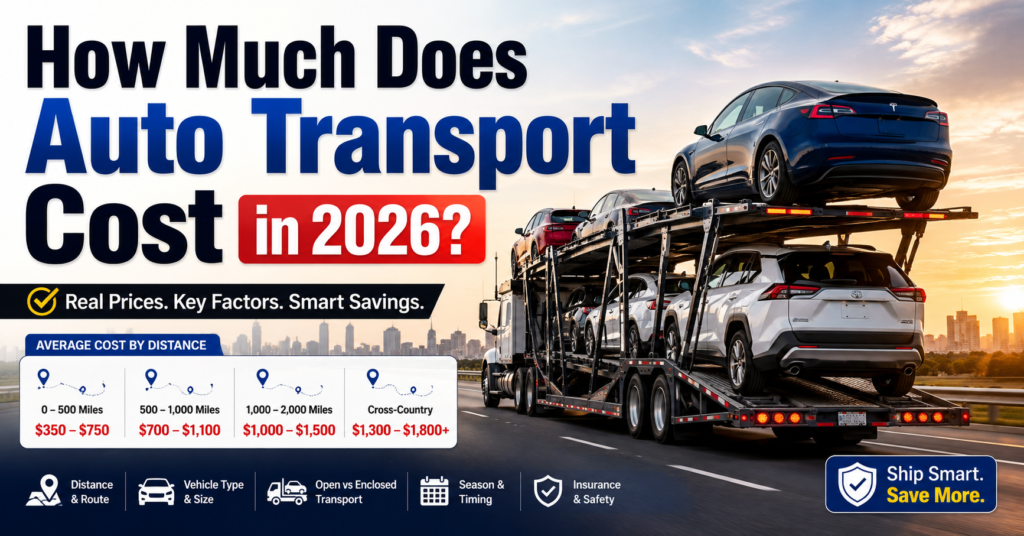
Here’s a quick breakdown of average car shipping costs based on distance.
| Distance | Average Cost |
|---|---|
| 0–500 miles | $350–$750 |
| 500–1,000 miles | $700–$1,100 |
| 1,000–2,000 miles | $1,000–$1,500 |
| Cross-country | $1,300–$1,800+ |
Prices can change depending on demand, fuel costs, and the type of carrier you choose.
For example, shipping a compact sedan from Texas to Florida usually costs far less than transporting a lifted SUV across the country during winter.
If you are planning a long-distance move, you may also like reading Ship Car to Another State for additional preparation tips.
What Affects How Much Auto Transport Costs?
Many people think distance is the only factor. It’s important, but not the whole story.
1. Distance and Route
Longer trips cost more overall, but shorter trips often cost more per mile.
Popular routes between major cities are usually cheaper because carriers travel them frequently.
Remote areas can increase the price because drivers must go off-route for pickup and delivery.
2. Vehicle Size and Weight
Bigger vehicles take up more trailer space and add extra weight.
Here’s how vehicle type impacts pricing:
- Sedans = lowest cost
- SUVs = medium cost
- Pickup trucks = higher cost
- Heavy-duty vehicles = premium cost
Electric vehicles can sometimes cost more due to their weight.
If you own an EV, check out How Long Does It Take to Charge an Electric Car for useful ownership insights.
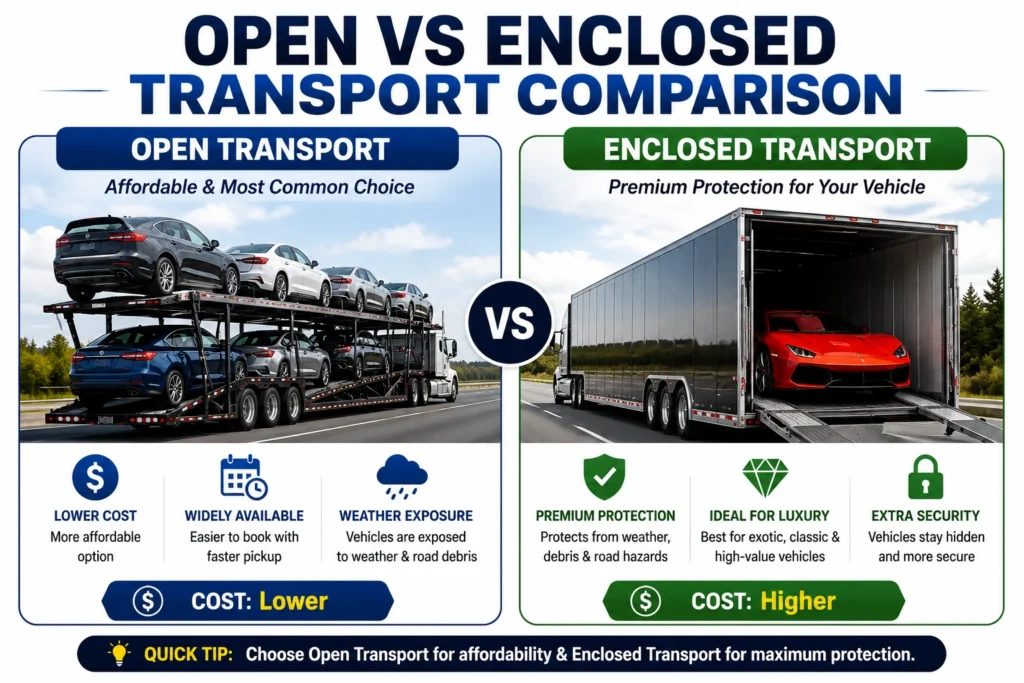
3. Open vs Enclosed Transport
This is one of the biggest price differences.
Open Transport
- Most affordable option
- Cars are exposed to weather and road dust
- Used for standard vehicles
Enclosed Transport
- Premium protection
- Ideal for luxury, exotic, or classic cars
- Usually costs 30–60% more
Luxury vehicle owners often prefer enclosed shipping because even small paint damage can be expensive to repair.
Related read: Most Expensive Car in the World
Seasonal Price Changes Most Blogs Ignore
Here’s something many competitors barely mention: timing matters a lot.
Summer Costs More
Auto transport demand spikes during:
- Summer moves
- College relocations
- Snowbird season
- Holiday travel periods
Prices can jump hundreds of dollars during peak months.
Winter Can Cause Delays
Snowstorms and icy roads slow carriers down, especially in northern states.
Flexible delivery dates often help you secure better pricing.
Hidden Auto Transport Fees to Watch For
This is where people get caught off guard.
Some companies advertise low prices but add fees later.
Watch for:
- Expedited shipping fees
- Rural pickup surcharges
- Inoperable vehicle fees
- Storage charges
- Fuel surcharges
- Last-minute booking increases
Always ask for a full written quote before booking.
You can also check transport insurance details here: What Is Auto Transport Insurance
How Much Does Auto Transport Cost for Different Cars?
Compact Cars
Average: $500–$1,100
Small cars are cheaper because they weigh less and fit easily on trailers.
SUVs and Trucks
Average: $800–$1,700
Larger vehicles increase fuel consumption and trailer weight.
Luxury and Exotic Cars
Average: $1,200–$2,500+
These usually require enclosed carriers and specialized handling.
Non-Running Vehicles
Average: Extra $150–$500
Cars that cannot start or roll require winches or forklifts.
Most people should choose open transport.
Why?
Because it’s:
- cheaper
- widely available
- reliable for everyday vehicles
Enclosed transport makes sense if:
- your car is rare
- your vehicle has custom paint
- you own a classic or exotic model
- weather protection matters
Think of it like flying economy vs first class. Both reach the destination, but one offers extra protection and comfort.
Smart Ways to Save Money on Car Shipping
If you want lower pricing without sacrificing reliability, these strategies help.
Book Early
Last-minute bookings usually cost more.
Booking 1–3 weeks ahead gives carriers better route planning flexibility.
Be Flexible With Dates
A flexible pickup window can reduce costs significantly.
Carriers combine shipments based on route efficiency.
Choose Terminal Pickup
Door-to-door service is convenient but more expensive.
Terminal pickup can sometimes save money.
Compare Multiple Quotes
Never accept the first quote instantly.
Some companies use “bait-and-switch” pricing tactics.
According to the Federal Motor Carrier Safety Administration, consumers should verify carrier licensing and insurance before booking transport services.
You can also compare market trends through Consumer Reports for additional vehicle ownership guidance.
Is Auto Transport Worth the Cost?
For many people, yes.
Driving long distance yourself includes:
- fuel expenses
- hotel stays
- food costs
- tire wear
- maintenance
- time off work
Shipping your car can actually be cheaper and far less exhausting.
This becomes especially true for:
- military relocations
- college moves
- online car purchases
- cross-country relocations
Common Mistakes People Make When Shipping a Car
Avoid these mistakes to prevent surprise costs:
- Choosing the cheapest quote blindly
- Ignoring insurance coverage
- Leaving valuables inside the vehicle
- Booking too late
- Not checking company reviews
A little research upfront can prevent massive stress later.
FAQ
How much does auto transport cost for 1,000 miles?
Most 1,000-mile shipments cost between $700 and $1,200 depending on vehicle size and transport type.
Is enclosed auto transport worth it?
Yes, especially for luxury, classic, or exotic vehicles that need extra protection.
Does vehicle condition affect shipping cost?
Yes. Non-running vehicles usually cost more because they require special loading equipment.
What is the cheapest way to ship a car?
Open carrier transport with flexible pickup dates is usually the cheapest option.
Conclusion
So, how much does auto transport cost in 2026?
For most drivers, prices fall between $500 and $1,800, but the real cost depends on distance, timing, vehicle type, and transport method.
The smartest move is not chasing the lowest quote. It’s finding a reliable transporter with transparent pricing, insurance coverage, and strong customer reviews.
A little planning can save you hundreds of dollars and help your vehicle arrive safely without unnecessary surprises.
Whether you’re relocating, buying a car online, or sending a vehicle to another state, understanding auto transport pricing puts you in control before you book.

